


Creating content for a website is easy. Creating content that attracts the right audience, answers their questions, and performs well in search engines requires a clear plan. This is where an effective SEO content strategy becomes important.
SEO content strategy combines search engine optimization with useful, audience-focused content. Instead of creating articles simply to publish something new, businesses can use a structured approach to identify what their audience searches for and create content that genuinely addresses those needs.
Whether you manage a small business website, an online store, a professional blog, or a growing company website, a well-planned content strategy can help build long-term organic visibility.
What Is an SEO Content Strategy?
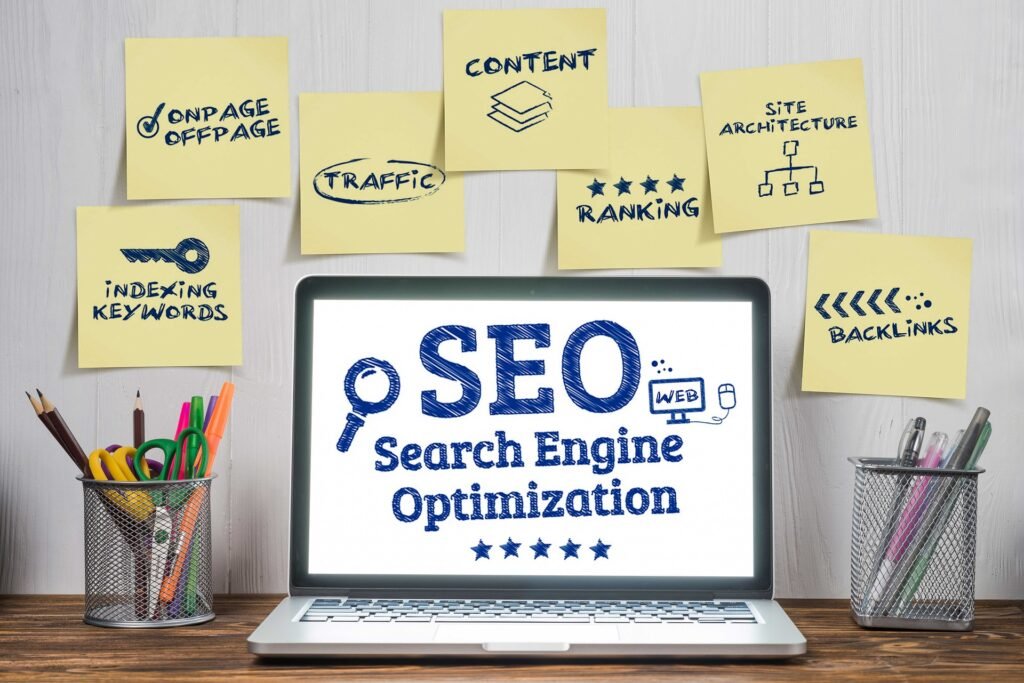
An SEO content strategy is a plan for researching, creating, optimizing, publishing, and improving website content so that it can reach relevant users through search engines.
A good strategy considers several factors, including:
- Target audience
- Search intent
- Keyword research
- Content quality
- Website structure
- Internal linking
- On-page optimization
- Content performance
The objective is not simply to use keywords repeatedly. Content should provide useful information that meets the needs of the people searching for it.
1. Understand Your Target Audience

Before creating content, identify who you want to reach.
Think about the questions your audience asks, the problems they experience, and the information they need before making a decision.
For example, a web design company may target business owners who want to create a website. Their audience might search for topics such as website costs, website design tips, mobile optimization, and choosing a web design service.
Understanding your audience helps you create content that is relevant rather than generic.
2. Conduct Proper Keyword Research

Keyword research is one of the foundations of an effective SEO content strategy.
Keywords are the words and phrases people enter into search engines. Research can help you discover relevant topics and understand how people describe their problems or requirements.
You can look for different types of keywords, including:
- Short-tail keywords
- Long-tail keywords
- Local keywords
- Informational keywords
- Commercial keywords
- Transactional keywords
Long-tail keywords can be particularly useful for creating focused articles because they often describe a specific question or requirement.
However, search volume should not be the only consideration. Relevance to your audience and business should also be taken into account.
3. Match Content With Search Intent
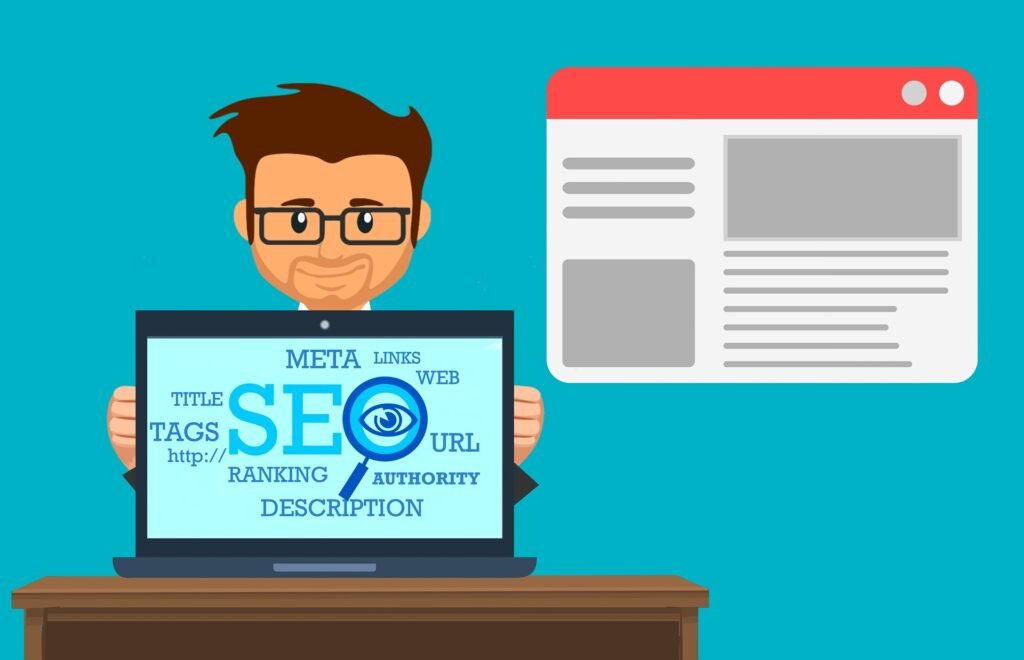
Search intent refers to the reason behind a search.
Someone searching for “what is SEO” probably wants educational information, while someone searching for “SEO services for small business” may be researching service options.
Common search intents include:
Informational: The user wants to learn something.
Commercial: The user is researching products or services.
Transactional: The user is ready to take an action or make a purchase.
Navigational: The user is looking for a particular website or brand.
Your content should match the intent behind the target keyword. If users are looking for a guide, creating a heavily promotional sales page may not satisfy their needs.
4. Create Useful, Original Content
Once you understand your audience and target keywords, create content that provides genuine value.
A strong article should answer the main question clearly and provide useful supporting information.
Avoid writing content simply to reach a specific word count. A 700-word article can be more useful than a 2,000-word article if it answers the reader’s question more effectively.
Good content should be:
- Clear and easy to understand
- Accurate and useful
- Well organized
- Original
- Relevant to the topic
- Written for people first
Use headings, short paragraphs, lists, examples, and other formatting elements to make longer content easier to read.
5. Optimize Important On-Page Elements
After creating content, optimize the important elements of the page.
These can include:
- SEO title
- Meta description
- Main heading
- Subheadings
- URL
- Image alt text
- Internal links
- Relevant keyword usage
Use the primary keyword naturally rather than forcing it into every paragraph.
For example, if your target keyword is “SEO content strategy,” it can appear in the title, introduction, relevant heading, and naturally throughout the article where appropriate.
The content should still sound natural to readers.
6. Build a Strong Internal Linking Structure
Internal links connect one page of your website to another page on the same website.
They can help visitors discover related information and can also help search engines understand the relationship between different pages.
For example, an article about keyword research could link to another relevant article about on-page SEO. A guide about local SEO could link to a detailed page about Google Business Profile optimization.
Use descriptive anchor text that tells users what they can expect after clicking the link.
7. Create Topic Clusters
Instead of publishing unrelated articles, organize content around important topics.
For example, a website focusing on SEO could create a main guide about SEO and supporting articles covering:
- Keyword research
- On-page SEO
- Technical SEO
- Local SEO
- Link building
- SEO content
- Website audits
These related pages can be connected through internal links. This creates a more organized content structure and gives readers multiple resources on the same subject.
8. Promote Your Content
Publishing an article does not always mean people will immediately discover it.
Content can be promoted through relevant channels such as social media, email newsletters, industry communities, and appropriate websites.
Guest posting can also help businesses reach new audiences and build relevant relationships with other websites.
Digital marketing can also help businesses increase their online reach, connect with potential customers, and support long-term business growth.
Businesses that want broader support with SEO and online marketing can explore professional digital marketing services and choose services based on their specific goals and requirements.
The focus should remain on creating useful content and building relevant connections rather than acquiring links from unrelated websites.
9. Measure Content Performance
A successful SEO content strategy should include regular performance tracking.
Useful metrics can include:
- Organic search traffic
- Search impressions
- Search clicks
- Click-through rate
- Keyword visibility
- Engagement
- Conversions
- Leads or enquiries
Website owners can use Google Search Console to review important Search performance data, including clicks, impressions, CTR, average position, and the queries that bring users to a website.
The Search Console Performance report can also help identify which pages and search queries are receiving clicks and impressions, making it useful for finding opportunities to improve existing content.
If an article receives impressions but few clicks, its title or description may need improvement. If a page receives traffic but generates little engagement, the content or user experience may need to be reviewed.
SEO is an ongoing process, so content should be updated when information becomes outdated or when new opportunities are identified.
Conclusion
An effective SEO content strategy is built around understanding your audience, researching relevant keywords, matching search intent, creating useful content, and continuously improving performance.
Businesses should avoid treating SEO content as a simple keyword-placement exercise. The strongest approach is to create resources that genuinely help people while making the website easier for search engines to understand.
With consistent research, quality content, internal linking, promotion, and performance tracking, a website can build a stronger foundation for long-term organic search visibility.